Engineering case study / Laboratory automation

    Bioprocess Platform for Laboratory Bioreactors

    Stable control at the vessel. Consistent execution across experiments. Records that remain useful after the run.

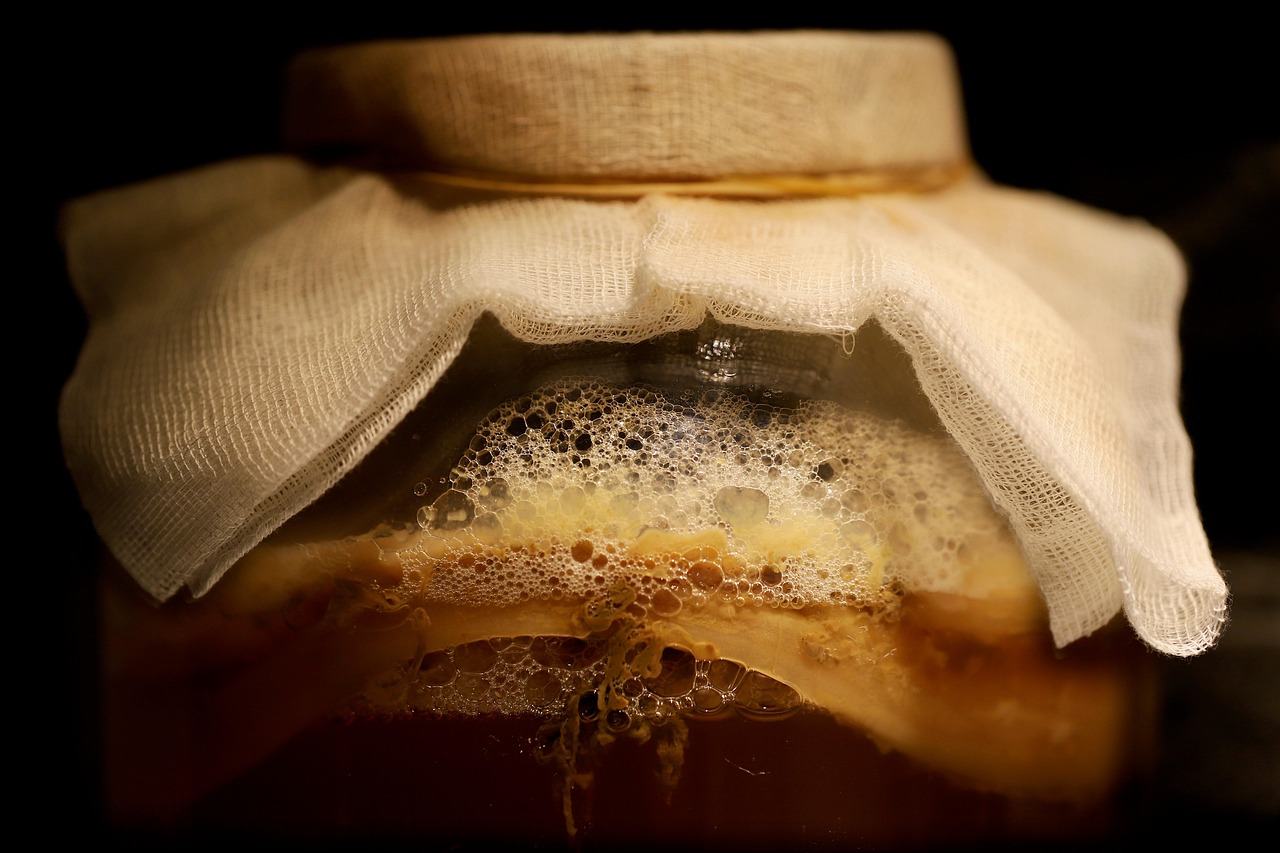
    Project context / 30+ laboratory fermentersScope / Controls, cabinets & batch softwareIllustrative laboratory photography

    01 / The brief

    One fleet.
    Bespoke control needs.

    The requirement covered automation for more than 30 laboratory fermenters, with bespoke control systems, electrical systems and cabinets. The challenge was not simply to operate each vessel. It was to bring precise process control, reusable batch recipes and dependable experiment records into the same working environment.

    Network, data and report redundancy were central requirements, alongside live data logging and comprehensive batch reporting. A live value helps an operator act now; a retained record helps an engineer understand the run later. Both needed attention in the control architecture.

    The engineering thread: define the method, control its execution, then preserve the context needed to review what happened.

    02 / Control engineering

    Start with the conditions inside the vessel.

    A reusable recipe is only meaningful when the equipment can follow it. Stable control helps engineers distinguish the intended method from variation in how it was executed.

    The solution combined servo-driven agitation with process-loop control and maintenance-friendly hardware. The physical controls and the data systems were treated as parts of the same experiment, rather than separate upgrades.

    Agitation & loops
    Servo-driven agitation for improved RPM accuracy and lower vibration, with control loops for temperature, flow, dissolved oxygen (DO), pH and RPM.
    Operator & service access
    Modern HMI and control cabinets with maintenance-friendly components, supporting operation and ongoing equipment upkeep.
    Data continuity
    Computer systems with redundant data storage and automated management, addressing the requirement for reliable live logging and batch records.
    Batch architecture
    The in-house bioprocess platform meets basic IEC-61512-1 standards and is ready for future IT/OT server connectivity. This is readiness for future connectivity, not a claim of an existing IT/OT server connection.

    03 / The batch workflow

    From a planned recipe
    to a reviewable experiment.

    The platform’s 14 feature highlights follow the work of the laboratory: planning, execution, review and records. Each stage carries information forward, so a batch is more than a sequence of isolated setpoints.

    Plan the experiment.

    Capture the intended method in a reusable recipe, then decide where and when it should run. Consistent execution starts before the first phase begins.

    Recipe Management
    Inbuilt flexibility and reusability in managing recipes.
    Ingredient Management
    Add and store ingredients in designated libraries.
    Multi-Batch/Experiment Organization
    Run recipes on a single machine or multiple machines with one click.
    Batch Scheduling
    Automatic batch execution according to pre-planned schedules, subject to machine readiness.
    Execute with context.

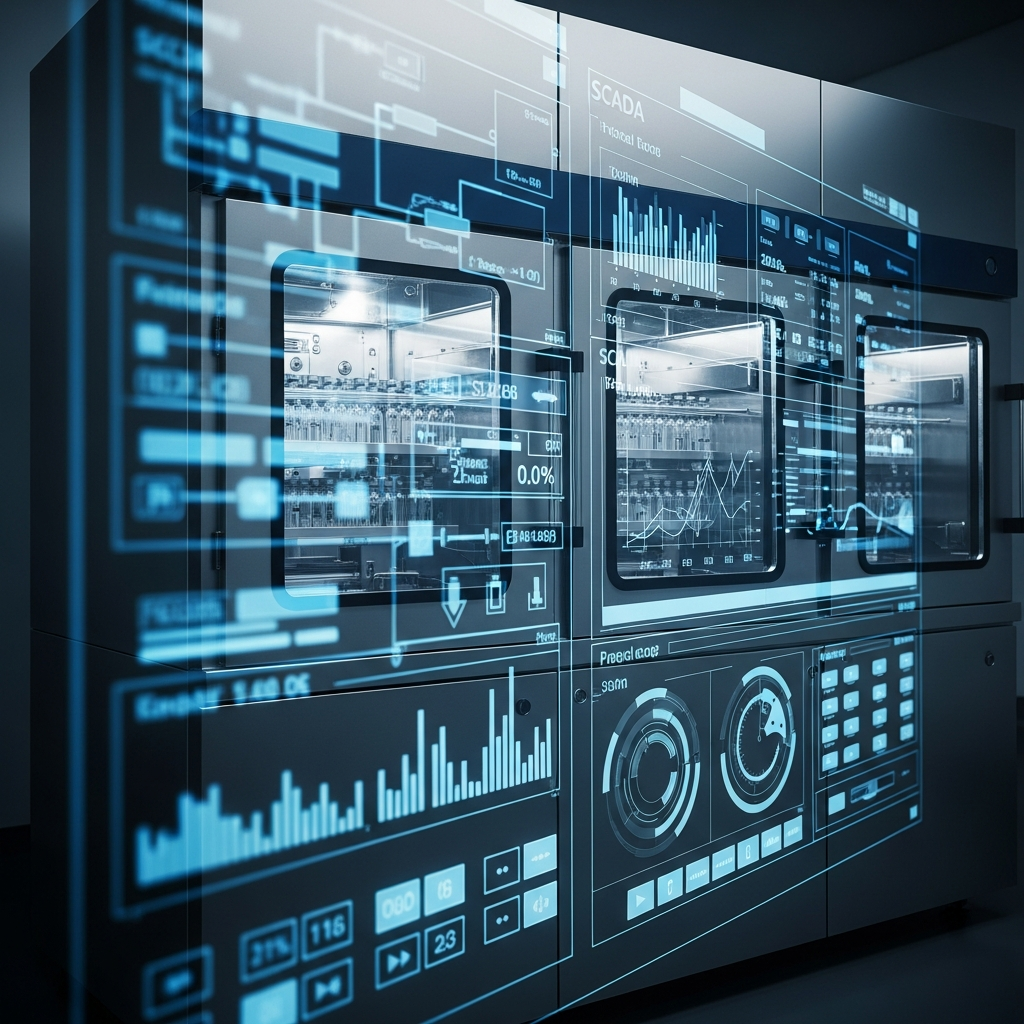
    A recipe needs defined transitions, visible process conditions and an operator’s account of the run. The platform brings these together during execution.

    Customized Batch Strategy
    Define phase and setpoint transition rules across multiple batch phases.
    Batch/Experiment Data Visualization
    Detailed presentation of data using modern graphical tools in different formats.
    Electronic Logbook
    Record operator remarks.
    Web Apps
    Parallel viewing and operation of processes from different devices with authentication.

    Review the run.

    A completed batch is more useful when its course can be compared and its deviations understood. Review tools help engineers examine the evidence, without substituting for scientific judgment.

    Batch Comparison
    Compare running or historical batch data on a normalized time axis.
    Batch Ranking
    Analyze batches and rank them according to merit.
    Deviation Analysis
    Descriptive information about deviations in emails and reports.

    Keep records reviewable.

    The record needs to retain its context beyond the live display. Reporting, audit trails and defined device interfaces support a more coherent account of each experiment.

    Batch Management
    Extremely flexible, customized viewing and reporting of batch parameters and results.
    Exhaustive Audit Trails
    Descriptive and simplified audit trails with integrity validation across different local and remote sessions.
    Third-Party Device Integration
    Integrate devices using OPC-UA, Ethernet/IP and Modbus TCP/IP communication protocols.

    04 / Quality & project scope

    Connect the software requirements to the acceptance criteria.

    Developed by our in-house software team, the bioprocess platform is GAMP 5 Category 5 compliant and meets 21 CFR Part 11 requirements.

    These are platform compliance statements, not a claim of independent certification. For a specific project, qualification scope should be agreed with customer QA and tied to the intended use of the system. That discussion should define:

    • Operator roles, authenticated access and permitted operations.
    • Recipe phases, setpoint transitions and machine-readiness conditions.
    • Device interfaces, data handling and the boundary of any future IT/OT connection.
    • Required batch records, audit trails, reports and their acceptance criteria.

    This case study does not document execution of FAT, SAT, IQ, OQ or PQ. Any required testing and qualification deliverables must be agreed for the customer’s project.

    05 / Reported delivery results

    Delivery at fleet scale.
    Improvement at the machine.

    Reported qualitative improvements include improved machine uptime, improved RPM accuracy and lower vibration with servo integration. No quantified before-and-after measurements are presented here.

    The architecture remains ready for future IT/OT connectivity, alongside its basic IEC-61512-1 batch-control foundation.

    Systems delivered
    30+

    Laboratory fermenter systems.

    Repeat jobs
    >30

    Reported repeat engagements.

    Fastest recorded handover
    10 days

    The fastest recorded handover, not the duration for the whole fleet. Delivery timing varies by project scope.

    Your laboratory / The next conversation

    Bring the process requirements.
    Let’s define the control scope.

    Discuss the vessels, control loops, recipe methods and records your team needs to retain. Together, we can review the cabinet, data and qualification requirements for your equipment.

    Talk to an engineer
    Equipment modernizationPlanning a laboratory bioreactor retrofit?Review what can change, what should be retained and the validation scope to agree with your QA team.Explore the solution